
Executive Action Summary
In our second-ever New York Human Services Scorecard, HSA has decided to provide a narrative of the NYC Mayor, NYC Council Speaker, City and State Comptrollers, and Governor’s executive actions.
Read on for an evaluation of each of these elected's support for the human services sector over the past year.
Return to the full scorecard.
Governor Kathy Hochul
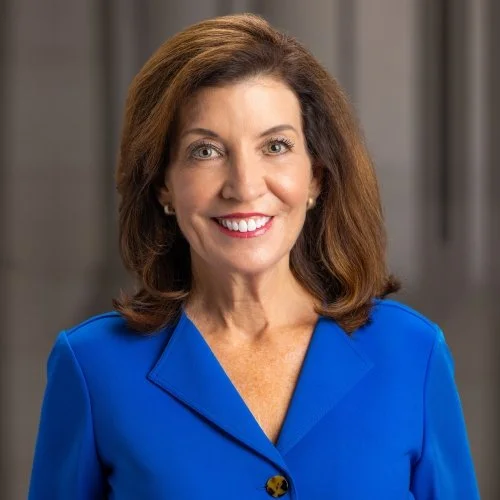
While Governor Hochul has made some important strides towards supporting the sector during her time in office – including becoming the first Governor to fully fund a statutory cost-of-living adjustment (now known as TII) in her first executive budget – her more recent actions have demonstrated a stagnancy in her support for the essential human services sector in New York State.
In FY26, following extensive advocacy from the sector, Governor Hochul agreed to include a 2.7% Targeted Inflationary Increase (TII) for human services providers after only including 1.7% in her executive budget. While welcome, this increase represents only the bare minimum needed to help sustain the workforce that delivers critical services to millions of New Yorkers. Moreover, this increase continues to exclude essential services such as domestic violence, NORCs, LEAPS after school, and health programs. New York must build on its previous commitments by expanding the COLA program and ensuring that all human services workers receive the support they need to continue serving their communities.
We were also disappointed by Governor Hochul’s veto of S7001/A7616 after the bill passed both houses of the legislature. This important measure would have streamlined the State's contracting system, thereby reducing financial uncertainty for nonprofits by increasing transparency, improving payment consistency, and accelerating reimbursements. At a time when nonprofits are facing significant financial crises – including ongoing funding shortfalls, late payments, rising operational costs, and the prospect of additional federal funding cuts – the need for a stronger contracting system has never been greater. Enacting this legislation next year would help strengthen the sector’s ability to deliver vital services to New Yorkers across the state.
We appreciate Governor Hochul’s past efforts to support the human services sector. However, the challenges facing nonprofits and their workforce demand more than incremental progress. It is time for the Governor to move beyond minimum funding commitments and broaden her support for essential services to invest in necessary long-term solutions.
Mayor Zohran Mamdani
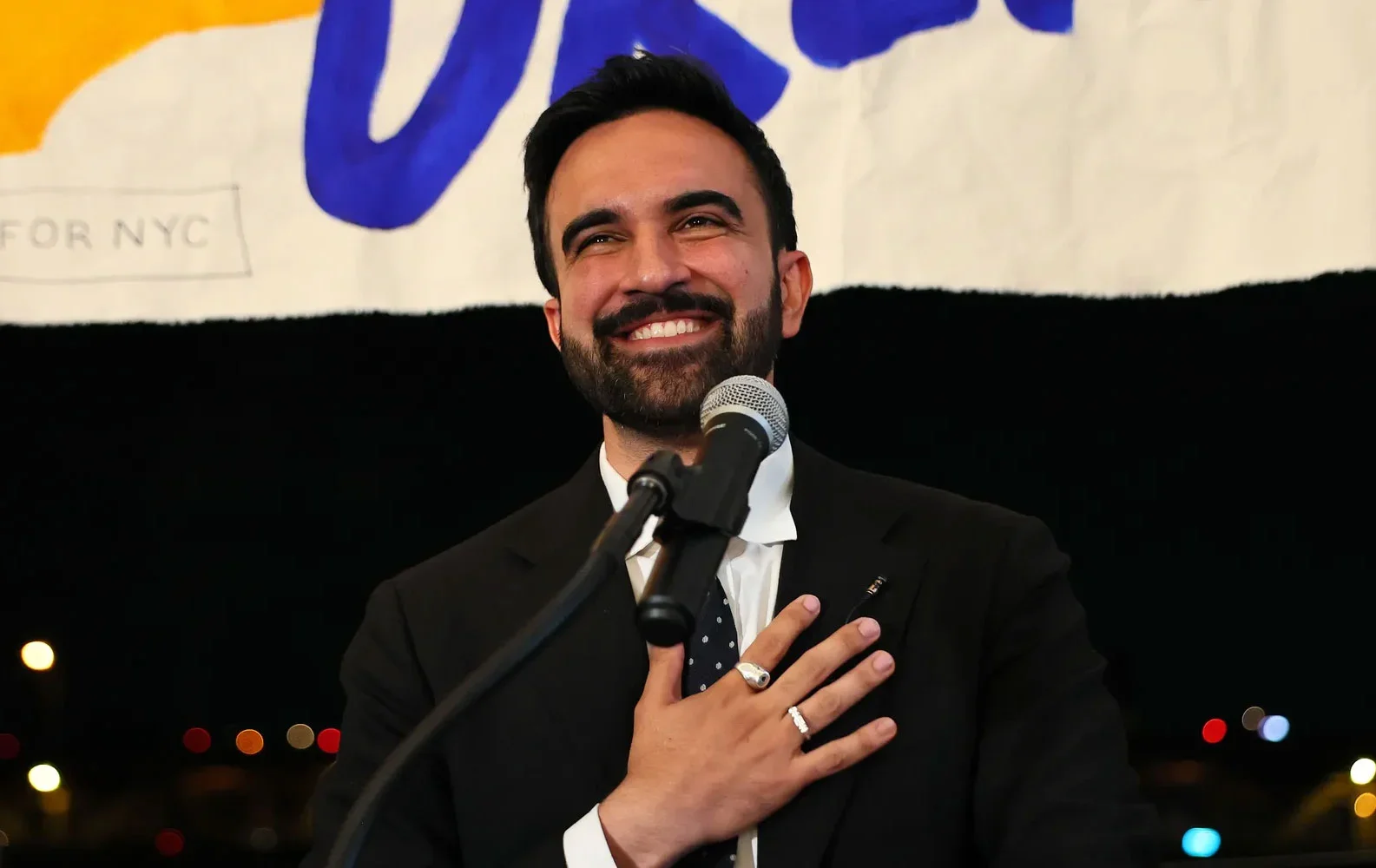
Mayor Zohran Mamdani has only been in office for six months, giving us a relatively short record on which to evaluate his support for the human services sector. However, his broad-scope focus on affordability and commitment to raising wages for working New Yorkers align closely with many of the priorities our sector has long championed.
The true test of campaign promises lies in the policy and budget decisions that directly effect human services providers and workers. This year’s budget reflected the final installment of COLA investments made by the previous administration, and we were glad to see Mayor Mamdani honor that commitment by including the COLA in his first budget. While he has not yet publicly supported our wage equity legislation, Int. 0452, we remain hopeful that he will recognize the importance of this measure as co-sponsors sign onto the bill and the movement of support grows.
We grew concerned this past June when the Mayor’s office briefly considered delaying or withholding billions of dollars in legally mandated advance payments that nonprofits were scheduled to receive on July 1. These advances are critical to helping organizations manage cash flow while delivering essential services.
Following strong advocacy from the nonprofit sector, the administration reversed course and confirmed that nonprofits would receive their advances as required by law. We appreciated that decision and the administration’s willingness to respond to the concerns of providers.
While Mayor Mamdani has not yet taken significant action to advance the human services sector, it is still early in his administration, and there will be ample opportunity to demonstrate his commitment to the issues he championed on the campaign trail. We wait to see a fully formed nonprofit agenda that clears the backlog, advances salaries for vital workers, and demonstrates an understanding of how vital nonprofits are to an affordability agenda.
Prior to his election, Mayor Mamdani told HSA in an interview that he supported #JustPay for human services workers and committed to ensuring that nonprofits are paid on time and in full. We remain encouraged by these promises and now hope to see the Mayor translate them into meaningful policy solutions.
City Council Speaker
Julie Menin
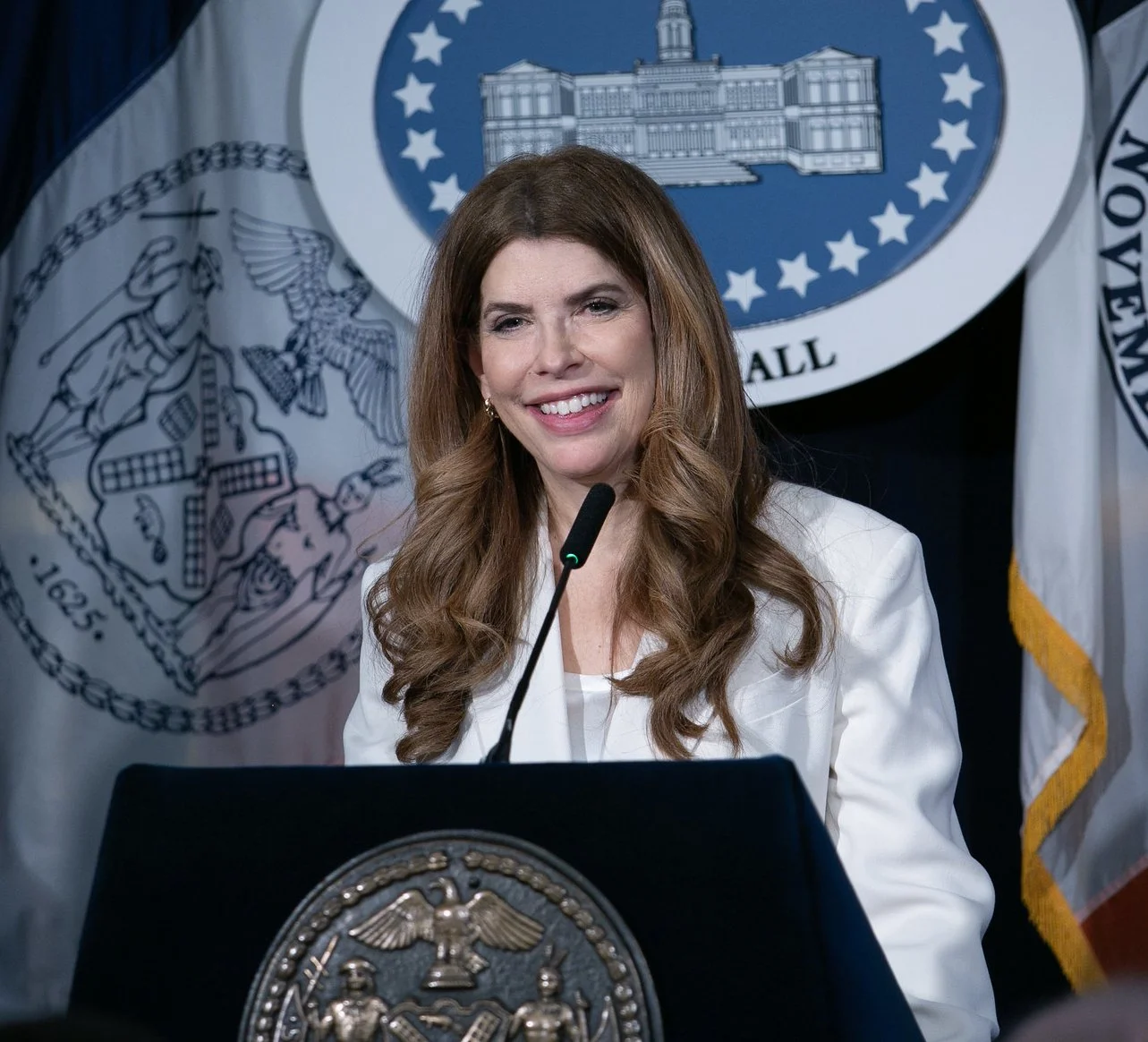
As a Council Member, Julie Menin entered office already aligned with the nonprofit sector’s push for reform, supporting the JustPay campaign and speaking at its launch rally shortly after her election. Her direct legislative record on human services contracting during this period was limited but meaningful.
As Chair of the Committee on Consumer and Worker Protection, she sponsored Introduction 1392, which required quarterly advance payments for DHS and MOCJ contracts and established a model for expanding advance payments citywide. The broader structural reforms enacted during this period – including the 50% advance payment requirement and the creation of a new Department of Contract Services – were driven by then-Speaker Adrienne Adams, with Menin voting in support.
As Speaker, Menin has brought the nonprofit sector directly into the Council’s policymaking process, convening roundtables with nonprofit and community organizations to solicit feedback on the Council’s agenda. She has also used the Council’s oversight authority to defend and enforce reforms already in place. Most notably, in June 2026, she pressed the Mamdani administration over a potential delay in $3.5 billion in nonprofit payments and helped secure a reversal.
This year presents a clear opportunity for Menin to build on that record by establishing herself as a leader on wage equity, including by advancing Intro 452 and securing the funding necessary for its implementation. Her record to date suggests a Speaker who is a reliable and responsive partner to the nonprofit sector.
Now that she has brought the sector to the table to learn about our priorities, we look forward to her first full year as Speaker when she can use the weight of the office to advance new structural policies that could fundamentally improve conditions for human services workers.
Her next test will be whether she can move beyond protecting existing funding streams and become an originator of reforms that produce lasting improvements in compensation and working conditions.
NYC Comptroller
Mark Levine
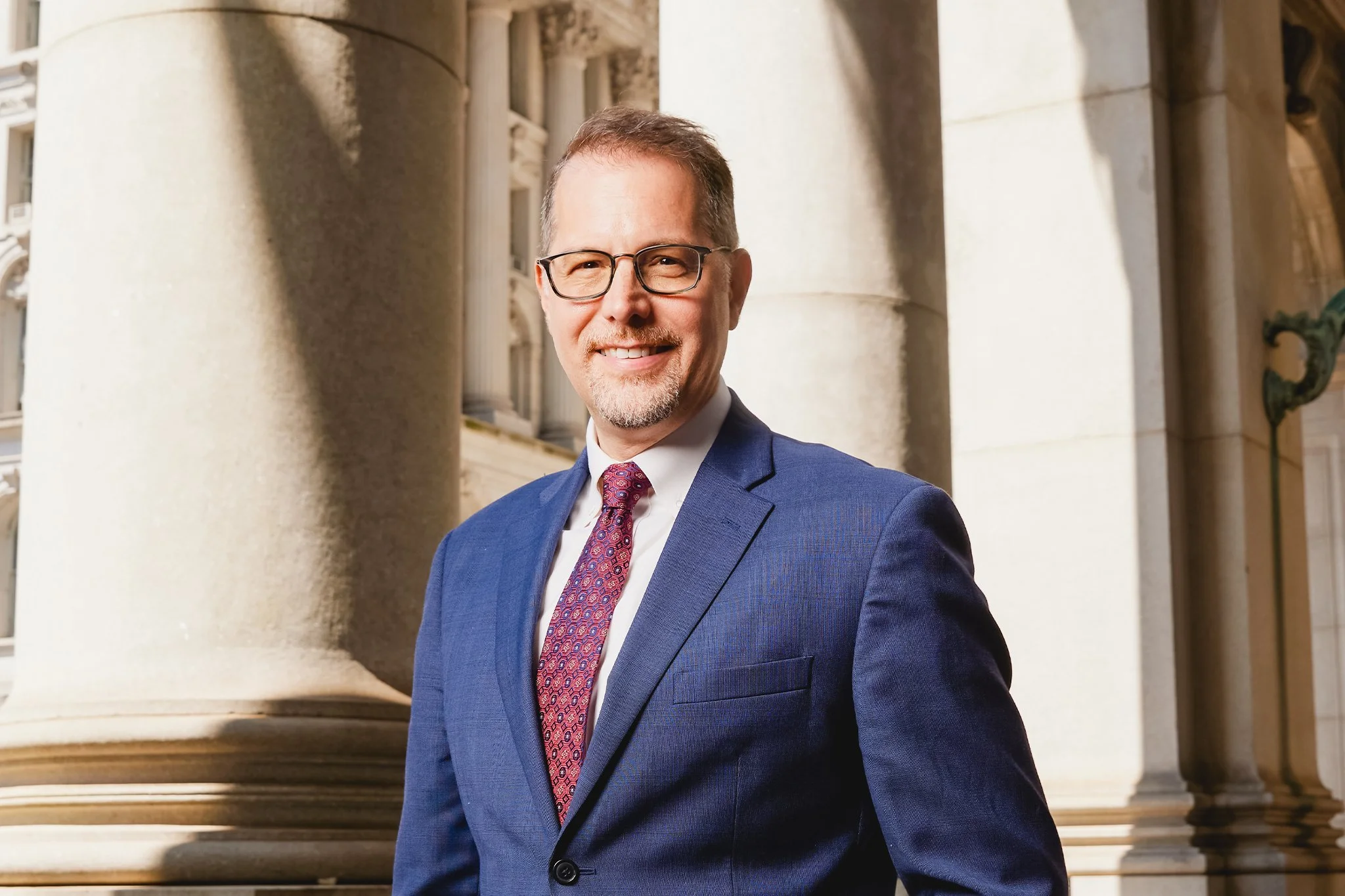
While Comptroller Levine is only six months into his tenure, he brings a long record of supporting nonprofits and advocating for better wages for human services workers, both as a Council Member and Manhattan Borough President. His campaign for Comptroller made timely payment to nonprofits a clear priority, earning strong support from the sector.
Since taking office, he has continued to engage directly with nonprofit leaders and his team to understand the sector’s challenges, from the backlog of unpaid contracts to the bureaucratic hurdles that slow every stage of the procurement process.
He is also using the Comptroller’s audit and oversight authority to examine how City agencies execute contracts. Most notably, he recently launched the first-ever Late Contracts Dashboard, which tracks contract registration delays – the primary drivers of late payments – in real time. The dashboard is an important step toward greater transparency and accountability, giving nonprofits, policymakers, and the public a clearer view of where the contracting process breaks down.
Comptroller Levine's recent support for ensuring nonprofits receive their cash advances has further demonstrated his willingness to use the office to protect the sector’s financial stability and reinforce the importance of timely human services payments across government.
We applaud Comptroller Levine’s responsiveness to the needs of the human services sector in his first six months in office and look forward to seeing him build on this early record through continued oversight, transparency, and action to improve the City’s contracting system.
State Comptroller
Thomas P. DiNapoli
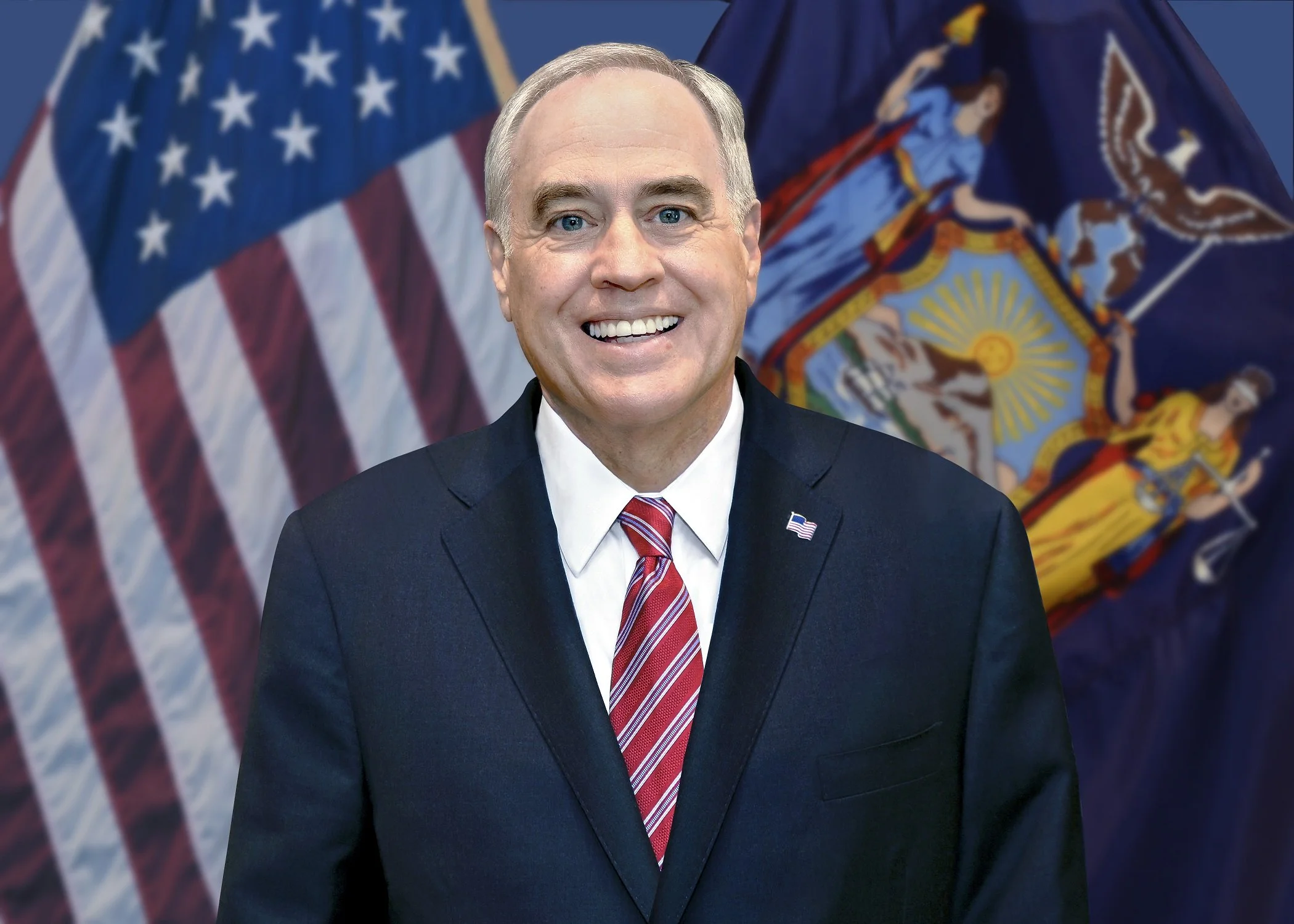
Comptroller Thomas DiNapoli plays an important role in ensuring that state agencies pay nonprofits on time under the Prompt Contracting Law. His office has also produced valuable reports documenting the economic significance of New York’s nonprofit sector, including its role as a major employer across the state.
For more than a decade, DiNapoli has publicly flagged late contracting and payment delays as threats to human services delivery. In 2015, for example, he warned that the state could not continue asking nonprofits to “care for our children, look after the elderly, and provide so many other important services” without holding up its end of the bargain.
These reports and his sustained public support have brought important visibility to both the challenges nonprofits face in contracting with the state and the sector’s significant economic impact across New York’s regions and communities. Yet despite this sustained attention, the problem has gotten measurably worse, not better. In 2024, 78% of state contracts with nonprofit providers were processed late, up sharply from 56% in 2023 and matching the pandemic-era high.
This continues a pattern in which a majority of nonprofit contracts have been processed late for more than two decades following the enactment of the Prompt Contracting Law in 1991.
The Comptroller could – and should – play a larger role in holding state agencies accountable for paying nonprofits on time and should develop a more robust agenda, in partnership with the sector, to advance procurement reform. At the same time, he should advocate for long-term investment in the essential jobs and programs nonprofits provide.
The core limitation of the Comptroller’s role is structural: his office can document the problem and issue recommendations, but it lacks the enforcement authority to compel state agencies to comply. As a result, three decades of consistent public reporting have not translated into consistent improvement. What is missing is a stronger role for the Comptroller in the efforts needed to move beyond documentation toward meaningful accountability and investment. The nonprofit sector would benefit from DiNapoli using the full weight of his office and public platform to push for the structural and legislative changes necessary to finally break this decades-long cycle.