
The Champions
The success of our work relies on strong advocates who are about the human services sector and the people we serve.
Thank you to all the champions in the New York City Council who are standing up for New Yorkers!

-
Council Member Stevens continues to champion wage equity for human services workers, having introduced legislation 452 and secured 28 co-sponsors for this landmark bill. She is a fierce advocate both for workers and for the nonprofits that employ them and serve the community. Her nonprofit expertise shows clearly in hearings and public events, where she calls for paying nonprofits on time, reforming procurement, and ensuring true wage equity for this critical workforce.

-
Council Member Brewer’s longstanding career in public service has also been a longstanding partnership with the nonprofit sector. At every hearing, she raises the importance of the sector and the need to pay providers on time and in full for their work. She supports important legislation like Intro 452 for Wage Equity and has also testified before the Charter Revision Commission about the need for procurement reform.

-
Council Member Restler understands the nonprofit sector because he comes from the sector, and he was an early supporter of the JustPay campaign. Now, as Contracts Committee Chair, he is at the center of calls for important reforms to pay nonprofits fully and on time. He has held hearings on the payment backlogs while working in partnership with the Administration to make important reforms to assist the sector. Intro 452 was introduced in the Contracts Committee in February.
-
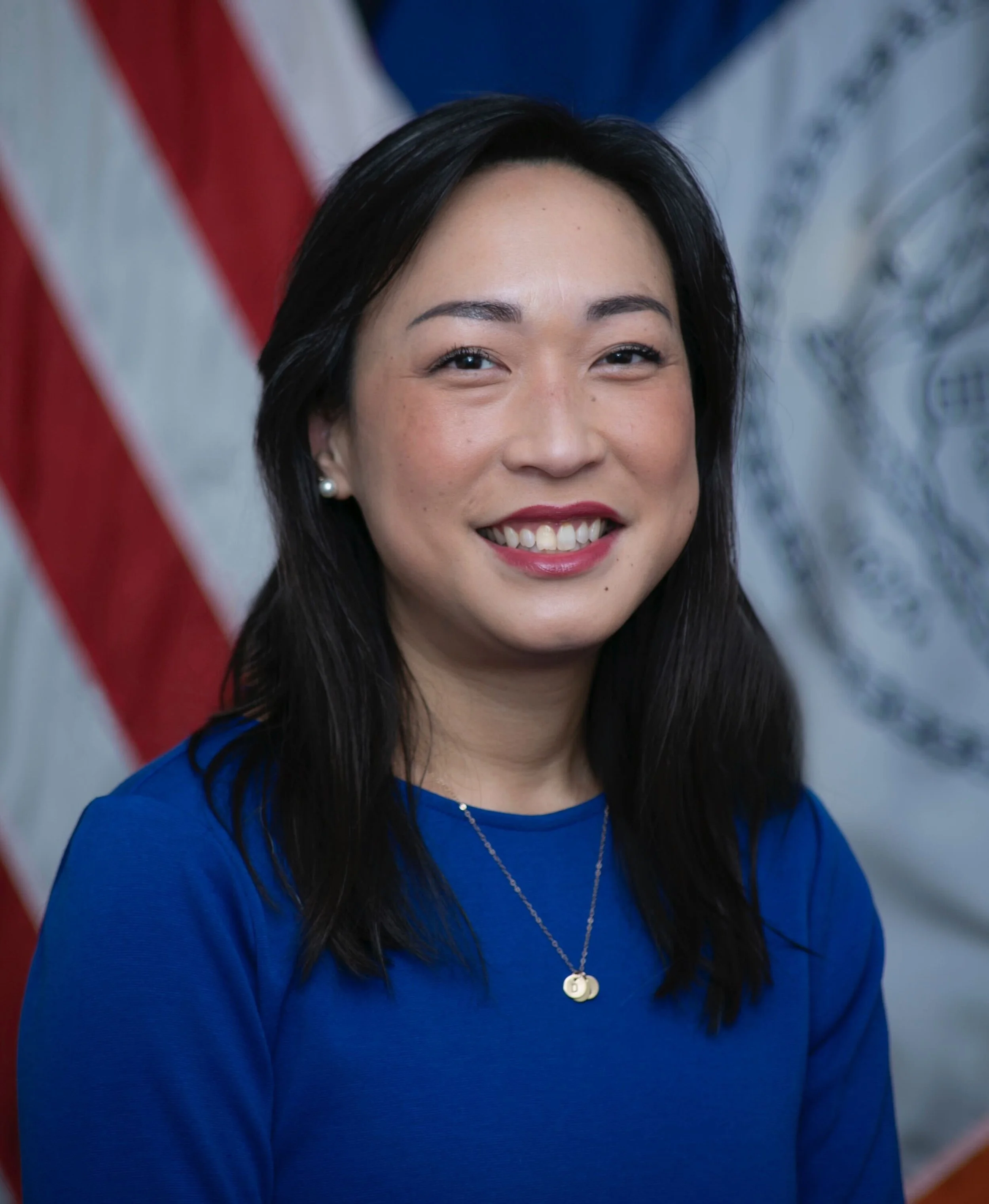
Council Member Lee became Finance Chair this January and immediately ensured the nonprofit sector had a seat at the table, hosting critical roundtables with Speaker Menin about the needs of nonprofits and the communities they serve. Her years of service in the nonprofit sector mean she brings a deep understanding of the issues the sector faces, and she demonstrates that expertise in hearings and in her legislative priorities.
The Legislation
This year, New York City Council had the opportunity to support the human services sector on five major pieces of legislation:
Wage Equity
Int. 0452
Intro 452 is landmark legislation that ties contracted human services wages to the municipal pay scale. Nonprofit workers currently earn 30% less than government employees doing the same job. COLAs alone can’t close that gap – they’re essential, but they’re not a long-term fix. Intro 452 addresses the disparity at its root by setting annual wage ranges based on comparable civil service positions, accounting for education, experience, and relevant cost-of-living adjustments — and requiring contracting agencies to pay those wages on their contracts.
Require a 50% advance for City nonprofit human services contracts
Int. 1247-B
Int. 1247-B, passed as Local Law 156, requires immediate advance payment of 50% of a nonprofit contractor’s payment voucher value upon registration by the Comptroller. Previously, nonprofits were only eligible for a 30% advance — and even so, they experienced significant cash flow challenges due to delays in the procurement and payment process. This bill creates a necessary cash infusion that allows providers to continue operating.
Establish an Office of Contract Services
Intro 1248-B
Local Law 175 of 2025, passed by the Council with a veto override, establishes the Office of Contract Services (MOCS) with the authority to coordinate citywide procurement activities for mayoral agencies. This includes reviewing contract guidelines, conducting pre- and post-audit reviews of contracts, and providing training and technical assistance on procurement matters. As human services nonprofits continue to face procurement delays, this authority allows MOCS to take the actions needed to ensure agencies comply with contract laws and regulations.
Agency Action Plans
Int. 1249-A
Local Law 157 of 2025 requires city agencies to submit annual reports on contract registration timeliness for human services contracts from the previous fiscal year. This reporting requirement demonstrates the City’s commitment to transparency and accountability in the procurement system, and will help drive meaningful reforms to reduce future delays and support a more stable human services sector.
Advance Payments
Int. 1392-A
Local Law 156, which established a 50% cash advance, excludes several contract types: emergency contracts, certain Department of Homeless Services (DHS) contracts for temporary housing assistance, Office of Criminal Justice contracts, and residential foster care and emergency domestic violence contracts. Intro 1392 extends quarterly advance payment relief to these excluded contracts, while also studying whether quarterly advances make sense for the entire human services contract portfolio.